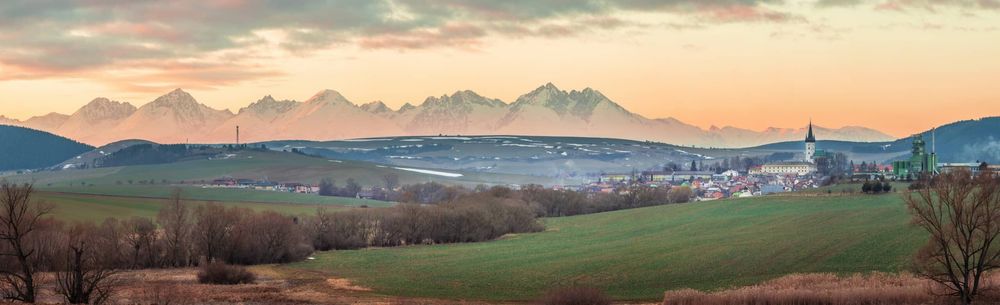
Aerial work platform and construction machinery rental in Presov
In Presov, aerial work platforms and construction machinery are needed above all on existing buildings, not on greenfield sites. Slovakia's third-largest city, with around 84,000 inhabitants, is the economic centre of the north-east: mechanical engineering, an active construction sector, trade and administration for a wide surrounding area. Most work at height involves residential and commercial construction, the energy-efficient renovation of large residential buildings and roofing work in established neighbourhoods — jobs with little space, plenty of pedestrian traffic and facade heights that rule out a ladder.
Facade insulation over many storeys
An eight-storey residential block usually means an eaves height of 22 to 26 m. For insulation, render, painting, new windows or balcony renovation, scaffolding across the entire facade is possible but rarely economical if only partial areas, gables or balcony strips need to be worked on.
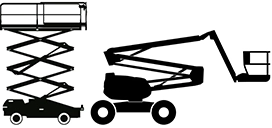
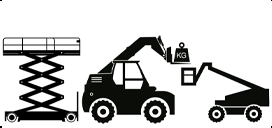
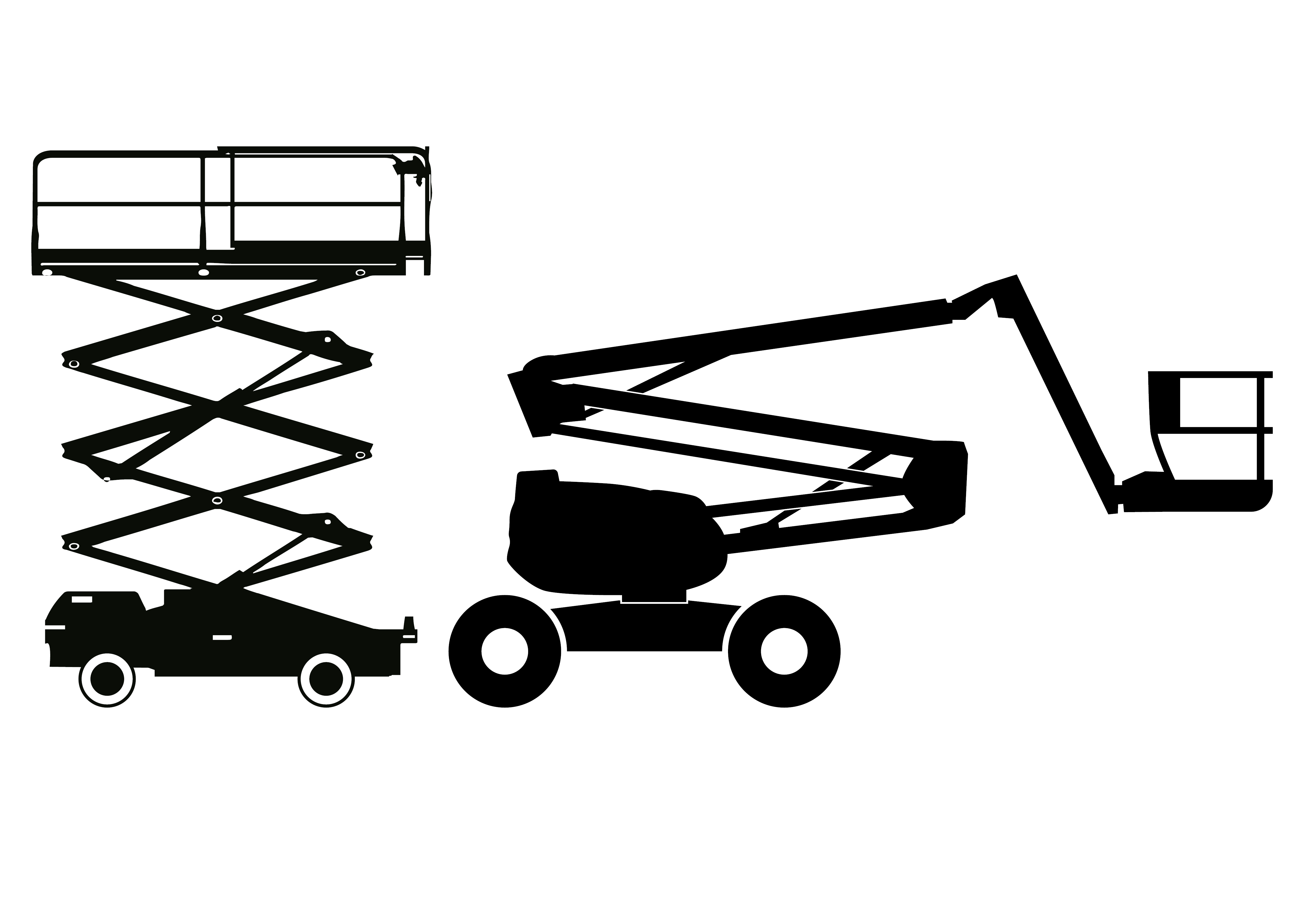
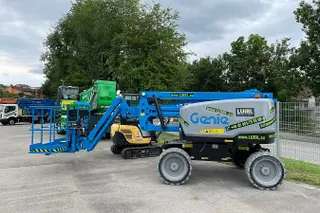
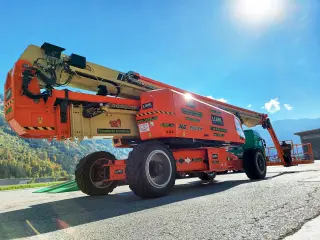
The first choice here is articulating boom lifts with 10.89 to 48.15 m working height: the articulated arm guides the basket over canopies, trees, fences and parked vehicles to the facade without the machine having to stand directly in front of it. On yards without continuous paving, the diesel version works with 11.91 to 48.15 m and four-wheel drive; in residential areas the electric range with 10.89 to 28.00 m is the quieter solution. For point blocks and chimneys, telescopic boom lifts with 14.00 to 56.90 m are available — because of the straight boom they need distance from the facade, an exclusion criterion in a narrow courtyard.
Narrow access, parking pressure and ground conditions in residential areas
The real difficulty in established residential areas is not the height but getting there: access routes between blocks are narrow, parking spaces are permanently occupied, and the area next to the building is often lawn, pavement or an underground car park roof rather than a load-bearing set-up point. Three things follow from this. Spider lifts arrive narrow, spread the load over the tracks and rest on fold-out outriggers — the most practical class for courtyards, green areas and passageways. When setting up on underground car park roofs, manhole covers or utility routes, the point load under the outriggers decides, not the total weight; load-spreading pads and approval from the owner or structural engineer are part of the preparation. And the parking space and access must be kept clear and announced before the machine arrives — on public land a permit from the city is required, and where traffic is affected also a traffic permit, applied for by the contractor.
Inside buildings — stairwells, loft conversions, interior painting — electric scissor lifts and mast lifts are the right classes.
The rental fleet in figures
| Class | Working height | Basket load |
|---|---|---|
| Scissor lifts electric | 6.30 – 33.00 m | 227 – 1,000 kg |
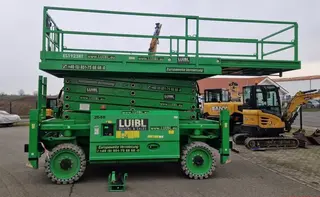
| Scissor lifts diesel | 9.70 – 34.00 m | 363 – 1,134 kg |
| High-rack scissor lifts | 18.50 – 33.00 m | 450 – 1,000 kg |
| Articulating boom lifts | 10.89 – 48.15 m | 150 – 450 kg |
| Telescopic boom lifts | 14.00 – 56.90 m | 227 – 454 kg |
| Mast lifts | 10.00 – 12.65 m | 200 kg |
| Spider lifts | 13.00 – 39.50 m | 200 – 400 kg |
In shell construction and on unpaved areas, diesel scissor lifts take on work with plenty of material in the basket.
Telehandlers, excavators and forklifts on site
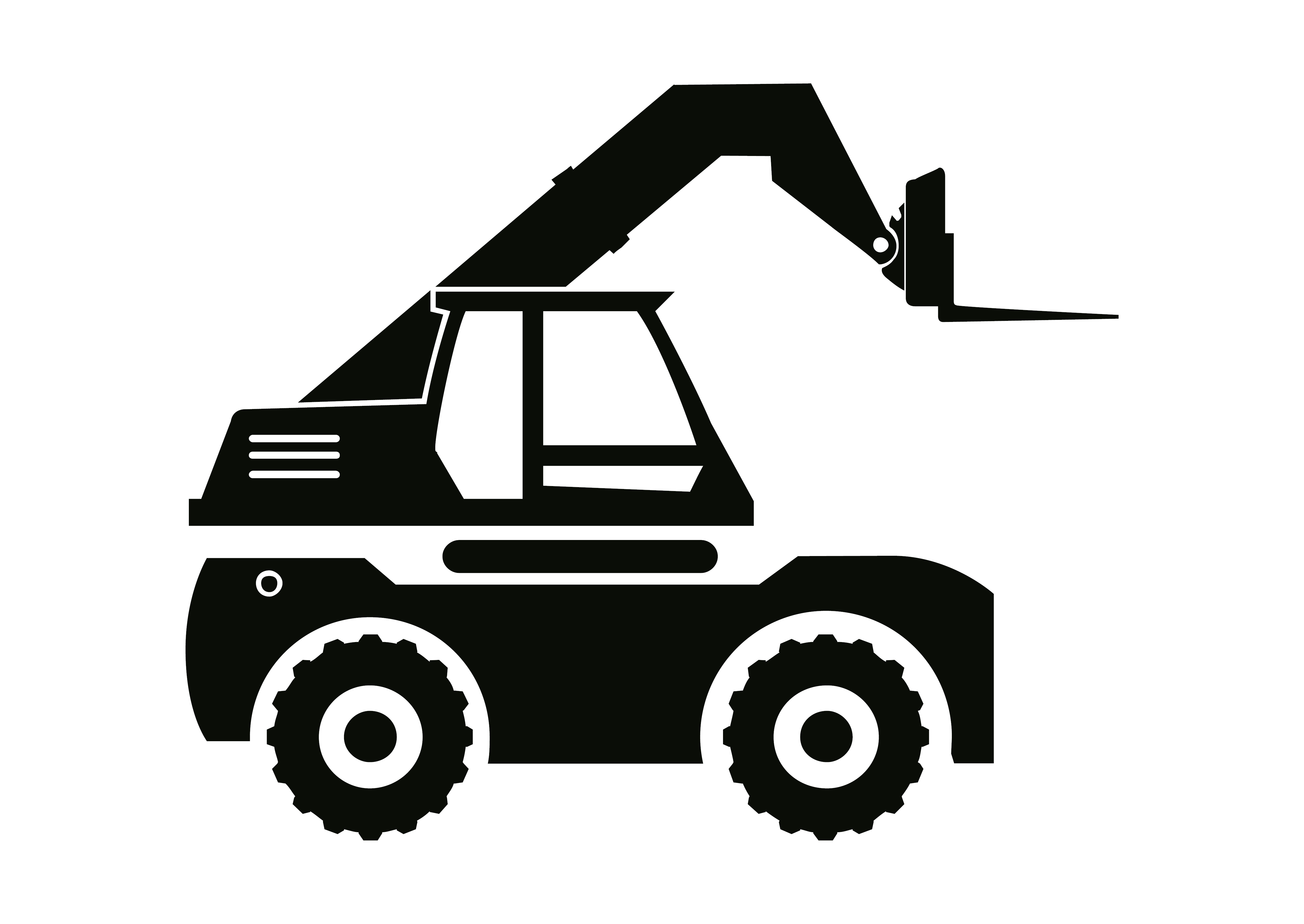
On a renovation site, material transport is the second bottleneck alongside access to the facade. Telehandlers place packs of insulation boards, window units and scaffolding material at the installation point: fixed models with 4.30 to 18.80 m and 1.25 to 25 t, roto models with 15.42 to 38.90 m all round from a single set-up — in perimeter block developments with only one free set-up area often the only option without a crane. In occupied buildings, electric telehandlers with 5.85 to 30.00 m are used.
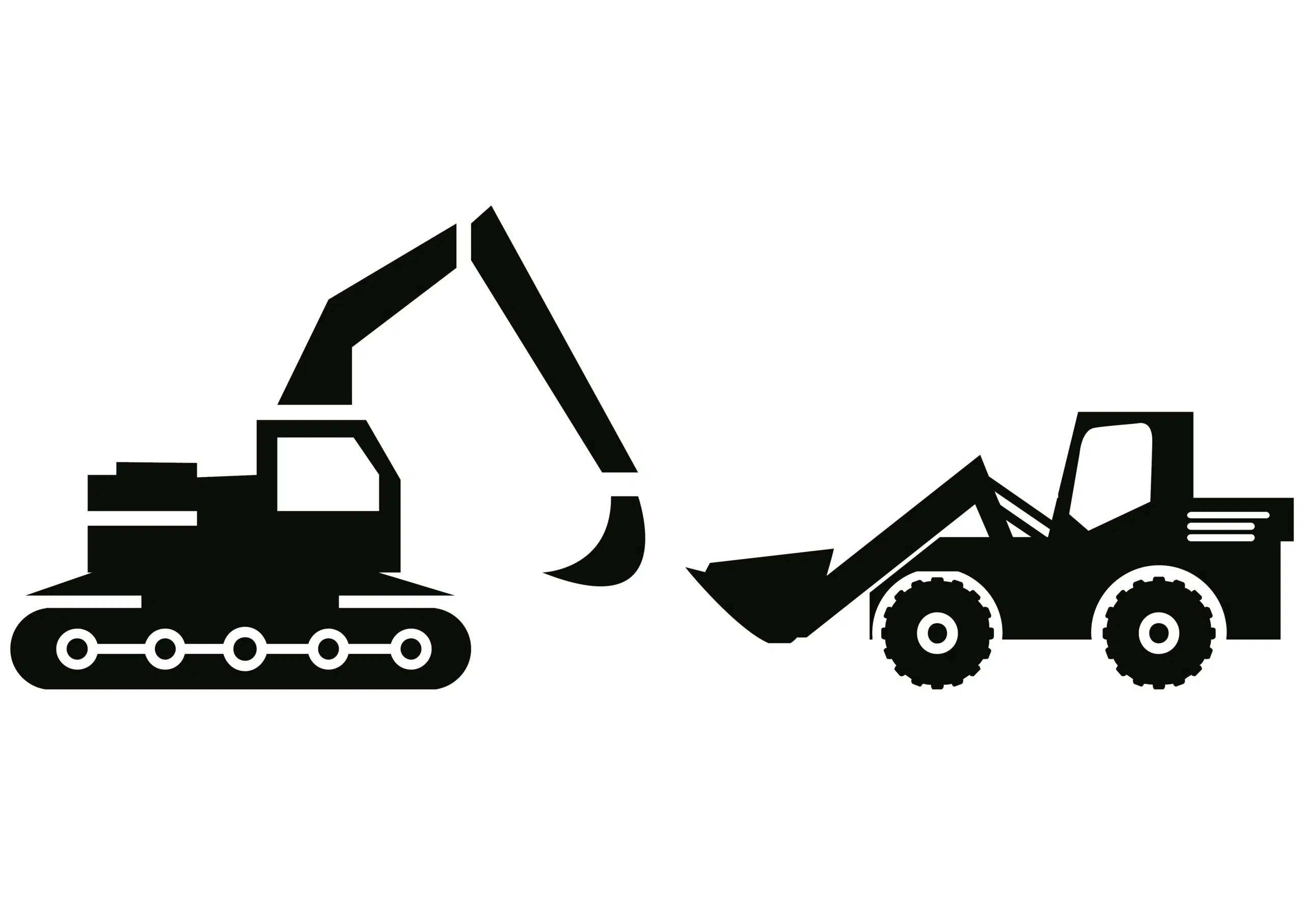
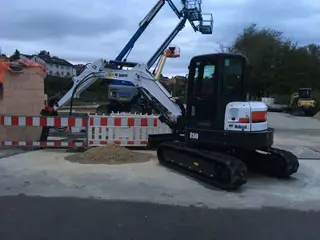
Excavators from 1.8 t to 30 t cover everything from basement waterproofing to the building pit; the smallest class fits through courtyard passages. For warehouses and retail construction, forklifts from 3 to 16 t complete the range, as rough-terrain forklifts on unpaved areas.
Inspection records and responsibilities under Slovak law
Construction work in Presov is subject to Slovak occupational safety law, which treats aerial work platforms more strictly than German law. Under Decree MPSVR SR No. 508/2009 Coll., a motor-driven pojazdna pracovna plosina (mobile work platform) with a lift height of more than 1.5 m is a zdvihacie technicke zariadenie skupiny A (group A lifting equipment) — a designated technical device with official tests (uradne skusky, recurring opakovane uradne skusky) and formal qualification requirements for operators. Alongside this are Government Regulation No. 392/2006 Coll., the occupational safety and health Act No. 124/2006 Coll. and STN EN 280 as the test basis.
On a renovation site in an occupied neighbourhood, a second level of responsibility is added: protecting third parties. The area below the workplace must be secured against falling objects and clearly cordoned off for residents, and entrances and escape routes must remain clear. This is the contractor's responsibility and, together with operator qualification and instruction, belongs in the risk assessment. We provide the machine side, including the inspection record and CE documentation; the daily visual check before work starts lies with the operator.
Halls, warehouses and retail construction in the north-east
Alongside residential construction, a second strand drives demand: the city's mechanical engineering sector works in halls that are maintained and refitted — crane runways, hall lighting, extraction, partition walls. Retail and logistics build warehouses, specialist stores and branches, and as the supply centre of the north-east, shopfitting is scheduled in bundles.
For hall work, electric scissor lifts are the standard class; in warehouses with racking, high-rack scissor lifts because of their narrow track; in operating stores, mast lifts are the least complicated solution. If you fit out several sites in the region one after another, the machine moves in rotation, at long-term rental rates for use over several weeks.
Before you enquire, it is worth looking at the designs: under Aerial work platform rental you will find all platform types, from scissor lifts to truck-mounted platforms, with their strengths, typical applications and the obligations for operators.
