Aerial work platform and construction machinery rental in Nove Zamky
Anyone renting aerial work platforms and construction machinery in Nove Zamky follows the calendar. The town lies in the middle of the Danubian Lowland, the strongest agricultural region in Slovakia, and the equipment that has to be maintained here — silo cells, grain dryers, storage halls, greenhouses — runs at full load during the season and then stands still. Between harvest and storage lies the maintenance window, and it is narrow. Added to this is supplier manufacturing with completely different requirements.
Silos, drying and the annual rhythm of the plant
A grain dryer is not maintained when it happens to suit, but when it is empty. The same applies to silo cells, elevators, conveyor bridges and extraction equipment. This results in planning that differs from a construction site: the window is fixed months in advance, the work is compressed into a few days, and the machines must be set up and ready on those days.
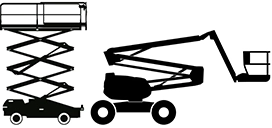
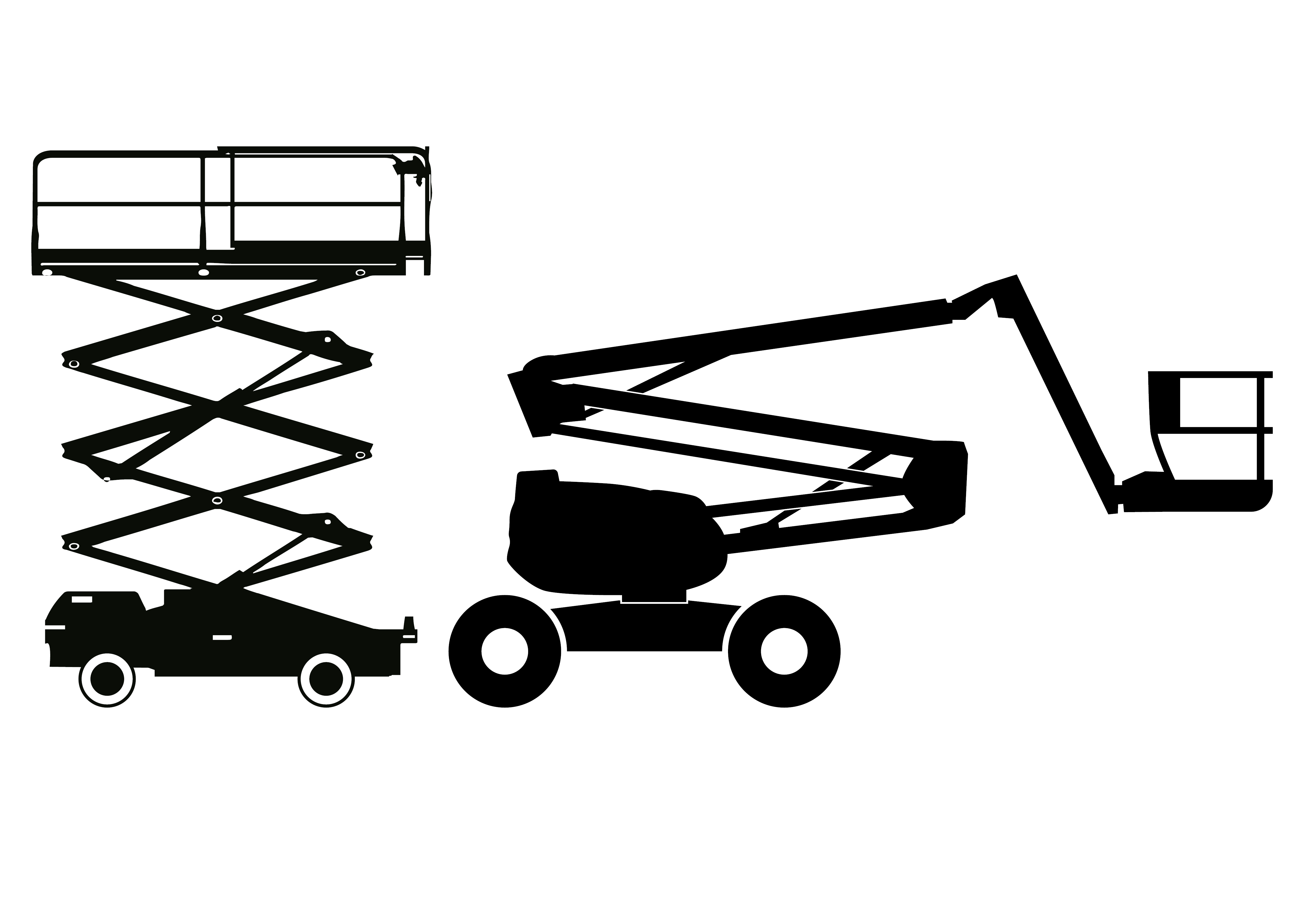
Technically, silo cells and elevator heads are slim and tall, while the space next to them is tight — reach with a small footprint is what is needed. Articulating boom lifts with 10.89 to 48.15 m cover most of this work because they reach over extensions and conveyor equipment. If very great height with little outreach is required, telescopic boom lifts with 14.00 to 56.90 m are used. Inside storage halls and drying buildings you work with electric scissor lifts from 6.30 to 33.00 m; greenhouse operations need the light class, i.e. mast lifts with 10.00 to 12.65 m.
Setting up on farm tracks, gravel and natural ground
The second bottleneck is not height but ground conditions. Access routes to silo and drying plants are often farm tracks, and the areas next to them gravel or natural ground. This is exactly where jobs go wrong — not because the machine was too small, but because it could not be set up stably.
Three points therefore come before delivery: the access route, with clear width, headroom and load-bearing capacity of tracks and culverts; the set-up area, with size, gradient and permissible ground pressure; and the weather, because after rain an area must be assessed again. For unpaved ground, diesel scissor lifts with four-wheel drive are intended: 9.70 to 34.00 m and 363 to 1,134 kg basket load. If the area cannot take point loads, spider lifts with 13.00 to 39.50 m spread the pressure over the tracks.
The rental fleet in figures
| Class | Working height | Basket load |
|---|---|---|
| Scissor lifts electric | 6.30 – 33.00 m | 227 – 1,000 kg |
| Scissor lifts diesel | 9.70 – 34.00 m | 363 – 1,134 kg |
| High-rack scissor lifts | 18.50 – 33.00 m | 450 – 1,000 kg |
| Articulating boom lifts | 10.89 – 48.15 m | 150 – 450 kg |
| Telescopic boom lifts | 14.00 – 56.90 m | 227 – 454 kg |
| Mast lifts | 10.00 – 12.65 m | 200 kg |
| Spider lifts | 13.00 – 39.50 m | 200 – 400 kg |
Supplier manufacturing: hall equipment and racking aisles
Alongside agriculture, supplier manufacturing shapes the location. There the conditions are reversed: firm, level floors, but little space, dense occupancy and operations on the neighbouring line. Drive without local emissions is not a hygiene issue here but a matter of air quality and noise.
In manufacturing halls, electric scissor lifts are the standard class for lighting, service lines and hall equipment. In storage areas with narrow aisles, high-rack scissor lifts with 18.50 to 33.00 m take over; if equipment is in the way, the electric articulating boom lift with 10.89 to 28.00 m is the solution. Barriers and coordination with the shift supervisor belong in the planning.
Telehandlers, excavators and forklifts for agricultural and supplier companies
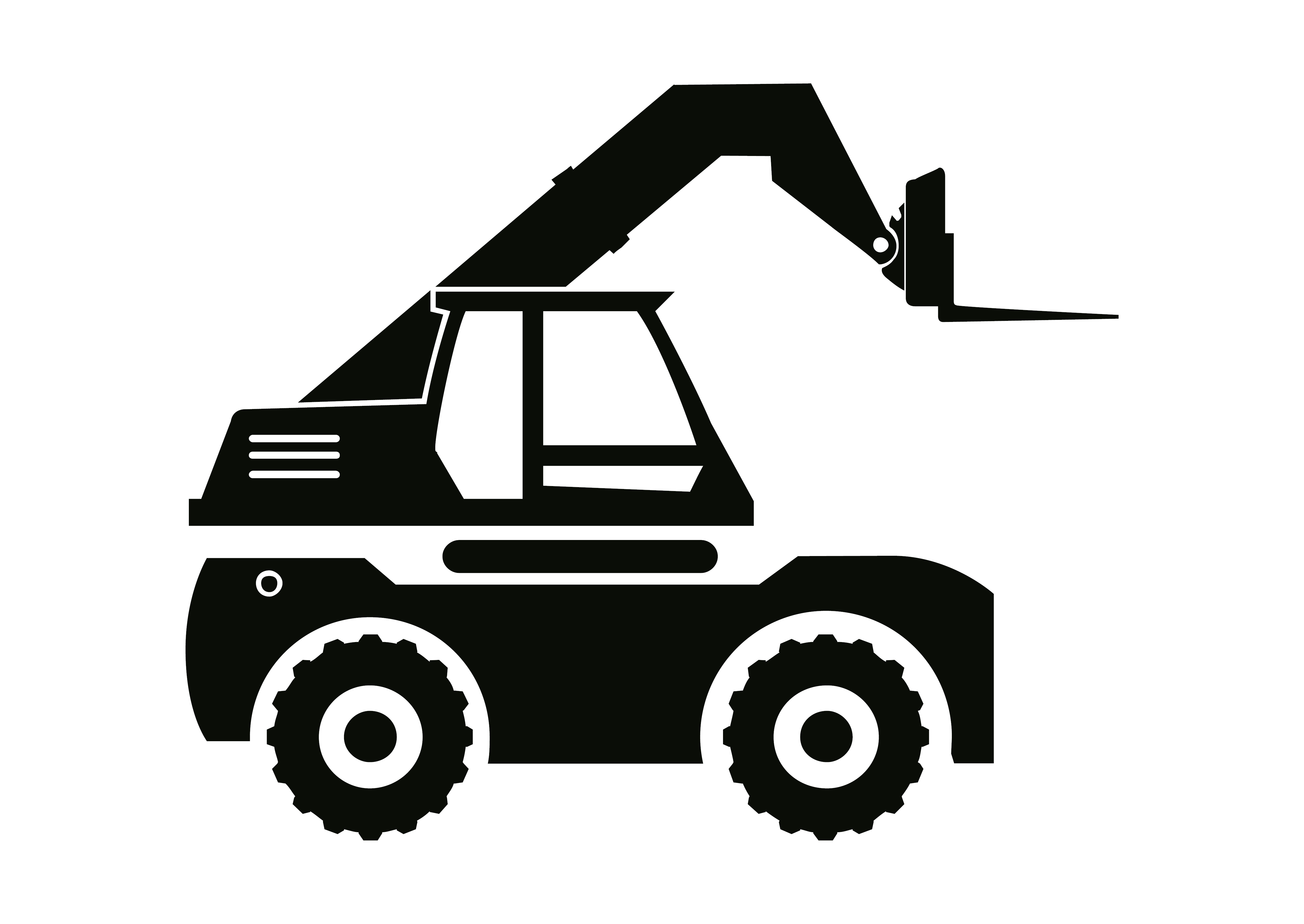
For agricultural businesses, the telehandler is often a more important machine than the platform — it replaces the crane that the storage yard does not have. Fixed models lift 4.30 to 18.80 m at 1.25 to 25 t and are the workhorse for yard, silo and hall; roto versions reach 15.42 to 38.90 m all round from one set-up position, plus electric models for the hall and suitable attachments.
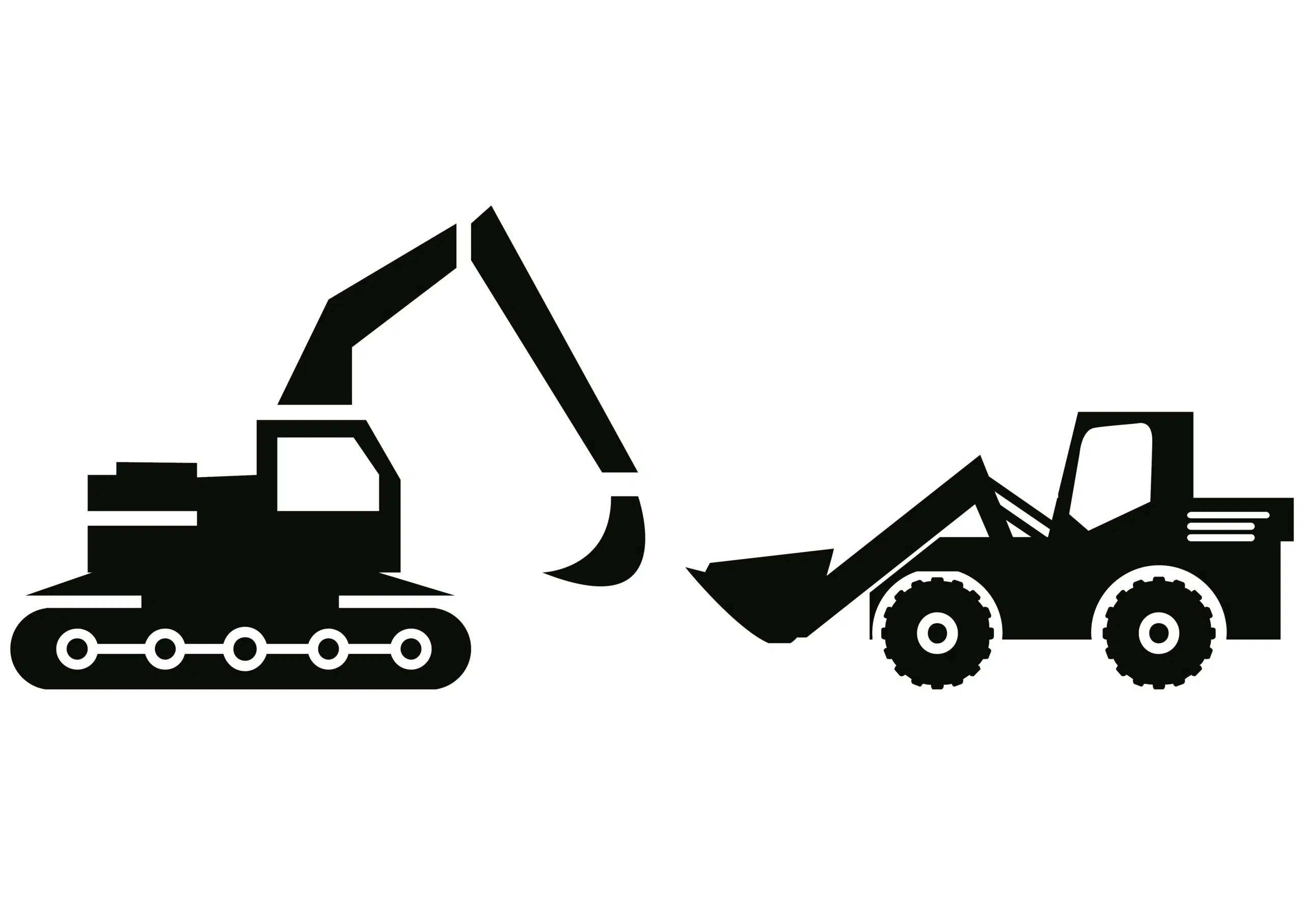
Excavators from 1.8 to 30 t operating weight create foundations for silos and halls as well as drainage and utility trenches; mini excavators even get through greenhouses. In the warehouse they are complemented by forklifts from 3 to 16 t and, for the yard and field edge, the rough-terrain version.
What the Slovak equipment classification means for agricultural plants
Even on a storage yard, the operator's duties depend on the law of the country of use, and in Slovakia they are regulated more formally than in Germany. Decree No. 508/2009 Coll. of the Slovak Ministry of Labour classifies every self-propelled aerial work platform with more than 1.5 m lift height as group A lifting equipment, making it designated technical equipment — with official tests and repeated official tests. The framework is formed by Government Regulation No. 392/2006 Coll. and Act No. 124/2006 Coll., and the testing basis is STN EN 280.
For your maintenance window this means: documentation must not become an issue only on delivery day. Every machine leaves us with a valid inspection certificate, CE documentation and operating manual. Risk assessment, qualification and instruction of the operators, and assessment of the ground remain with the operator — and the daily check before work starts is no formality on a weather-dependent surface.
Transport to Nove Zamky
We deliver to Nove Zamky by low-loader to your site. Nitra lies to the north in the same region; jobs in both towns can be scheduled in one run. Because the maintenance window is set by the annual rhythm, we align delivery with its start. Tell us the period as early as possible — between seasons, several companies in the region request the same classes.
Which design suits your job? The overview Lifting platform rental – all platform types at a glance explains scissor, articulating boom, telescopic boom, mast, spider and truck-mounted platforms and shows what the rental price depends on.
